Proper care after receiving dental implants is fundamental for protecting the restoration and the surrounding oral structures. While implants provide long-term support and function, their success often depends on consistent hygiene and early attention to developing issues. Here’s more information on the need for regular maintenance after dental implants:
Maintain Daily Oral Hygiene
Daily cleaning routines are key to preventing plaque buildup around your dental implants fixture. Follow these steps consistently to care for your implants and surrounding tissues:
- Brush your teeth twice daily using a soft-bristle toothbrush and non-abrasive toothpaste to avoid damaging the implant surface.
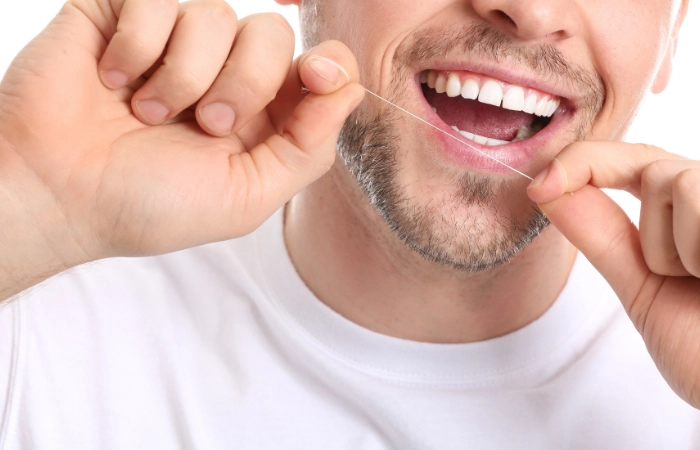
- Floss daily with implant-safe floss or water flossers to remove plaque and debris from hard-to-reach areas around the implant.
- Use an antimicrobial mouthwash to reduce bacterial build-up and promote a clean oral environment.
- Avoid abrasive products or harsh cleaning methods that could compromise implant integrity or irritate the gum tissue.
Adhering to these practices can help you protect your dental implants and maintain optimal oral health over time.
Prioritize Professional Checkups
Routine visits to a dental professional are fundamental for monitoring your oral health. A dentist assesses the stability of your dental implants during these appointments. They look for early signs of inflammation or bone loss around the fixture; these evaluations help to detect potential issues before they escalate.
Professional cleanings remove hardened plaque that regular brushing cannot eliminate. The hygienist uses specialized tools to clean the implant surface without causing scratches; they also evaluate your bite alignment to prevent uneven pressure. Your dentist may recommend X-rays to check the bone levels around the implant. Radiographs provide a clear view of the structures hidden beneath the gum tissue.
Protect Surrounding Tissues
Healthy gums and bone are key to keeping dental implants anchored securely. Several clinical strategies can help protect the hard and soft tissues in your mouth. Key steps include:
- Daily oral hygiene: Brush and floss every day to remove plaque and prevent bacterial buildup around the implant.
- Professional cleanings: Schedule regular dental cleanings to remove hard-to-reach deposits that can compromise tissue health.
- Monitoring gum condition: Pay attention to the gum tissue around the implant for signs of redness, swelling, or bleeding.
- Bite assessment: Periodically evaluate your bite alignment to avoid uneven pressure and prevent damage to the implant or adjacent structures.
- Balanced diet: Maintain a nutritious and balanced diet to support overall oral health and make sure that the surrounding bone and tissues remain healthy.
Adhering to these measures can help you promote the longevity of your dental implant and effectively safeguard the surrounding tissues.
Support Long-Term Performance
Long-term performance of implants depends heavily on strict adherence to a maintenance schedule. Consistent care prevents mechanical complications, such as loose screws or worn crowns. You should avoid chewing on hard objects like ice or hard candy; excessive force can fracture the porcelain crown attached to the metal post.
Monitoring minor changes in your mouth helps identify problems early. You may notice slight swelling or bleeding during your daily cleaning routine. These symptoms require immediate professional evaluation to prevent further tissue damage. Report any looseness or discomfort to your dental provider immediately. Prompt intervention resolves minor mechanical issues before they cause total implant failure.
Schedule Your Dental Implants Appointment
Regular maintenance is key to the success of your dental implants. Daily cleaning, routine professional checkups, and tissue protection promote the durability of your implants. Contact a qualified dental specialist near you to schedule your dental implant appointment today.
- Dermatologic Care for Patients of All Ages
- The Role of Pediatric Dentistry for Children’s Oral Health
- Maximizing the Benefits of Physical Therapy for Long-term Health
- Sedation Dentistry Techniques for a Comfortable Dental Procedure
- Physical Therapy Strategies for Improving Balance and Coordination
