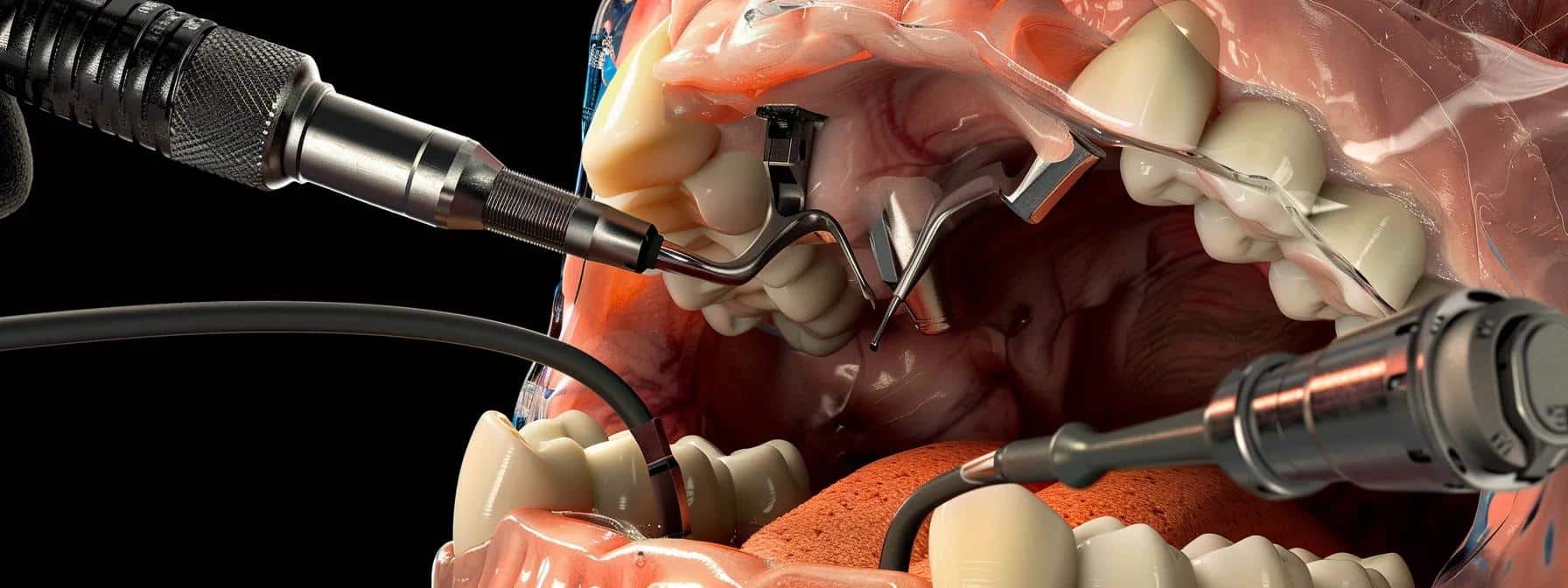
Dentists perform dental extractions to safely remove damaged or problematic teeth from a patient’s mouth during scheduled visits. Sometimes severe decay ruins a tooth entirely, and dental professionals must pull the affected tooth out permanently. When a tooth breaks beyond repair, dentists quickly extract the affected tooth to stop the ongoing pain immediately. Here are the different types of dental extractions:
Simple Extractions
Simple dental extractions involve fully visible teeth, and dentists use basic hand tools during these routine dental appointments. Because the tooth sits perfectly above the gum line, the dentist grasps it with specialized metal forceps. The professional gently rocks the targeted tooth back and forth to loosen it from the bony socket.
After the provider thoroughly loosens the tooth, they lift it out of the patient’s jawbone very carefully. Patients typically stay awake during this brief dental procedure under the effects of local numbing anesthesia. The provider numbs the specific area completely, so the patient feels only mild pressure during the process.
Surgical Extractions
Highly trained oral surgeons treat complex cases involving teeth hidden completely beneath the soft pink gum tissue. If a tooth remains trapped firmly under the bone, the surgeon makes a small surgical incision first. The surgeon removes the blocking bone tissue, and they divide the stubborn tooth into several smaller pieces.
Patients typically receive stronger general anesthesia for this procedure, or they sleep safely through the entire surgical process. The skilled oral surgeon rapidly extracts the fragmented pieces to clear the extraction site completely. Before the resting patient wakes up, the surgeon stitches the cut gums to promote proper tissue healing.
While surgical extractions take much more time, experienced providers perform these steps with extreme precision. The clinical team monitors the patient closely, and they guide the individual through specific post-operative recovery protocols. These advanced surgical techniques resolve severe underlying dental problems effectively for many different types of suffering patients.
Various Factors
Dentists review X-rays thoroughly, and they evaluate the exact physical position of the deeply affected tooth. Several distinct anatomical elements dictate the exact type of extraction procedure required for each unique individual patient. While jawbone density plays a major role, the specific root shape also changes the treatment plan.
Here are specific elements impacting the procedure:
- The exact curvature of the patient’s individual tooth roots
- The overall severity of the internal bacterial tooth decay
- The visible presence of advanced periodontal gum disease
- The overall physical age of the individual dental patient
- The close proximity of the tooth to specific facial nerves
- The previous history of extensive restorative dental work
- The physical thickness of the surrounding jawbone structure
Other factors that a dentist might look at include the angle of an impacted wisdom tooth, the patient’s overall health, and the size of the tooth. We also check for any localized infections and check how a patient might react to anesthesia. The density of the supporting jawbone, the number of roots a tooth has, and the specific tools needed for the extraction are all key parts of creating a safe and effective treatment plan.
Learn About Dental Extractions
Since untreated dental issues cause severe physical pain, you must seek a professional dental evaluation very promptly. A modern dental office typically provides complete tooth extraction services for all patients requiring them within the local area. Call a local clinic today to book an appointment, and a dental team will evaluate your exact dental needs.
- Dermatologic Care for Patients of All Ages
- The Role of Pediatric Dentistry for Children’s Oral Health
- Maximizing the Benefits of Physical Therapy for Long-term Health
- Sedation Dentistry Techniques for a Comfortable Dental Procedure
- Physical Therapy Strategies for Improving Balance and Coordination
