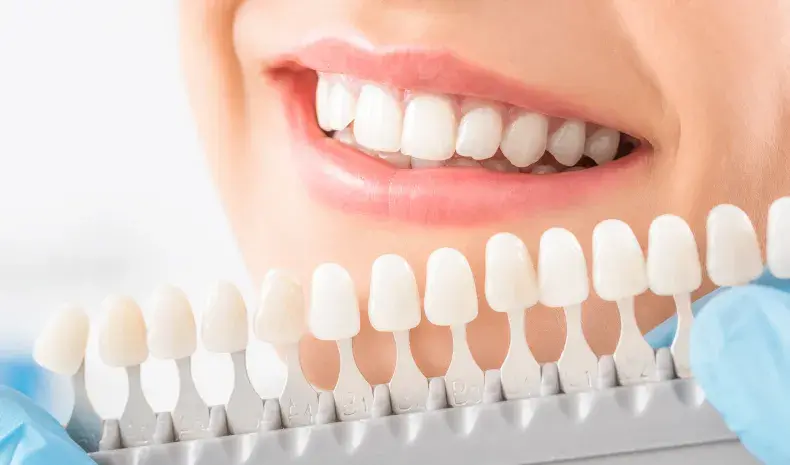
Over time, dark foods and drinks leave stubborn residues on the enamel of the teeth. Bleaching treatments use active ingredients to break apart these molecular bonds, and this process restores a brighter appearance to the smile. Patients can often choose between professional clinical procedures and convenient home-based kits. Here is more information about how teeth whitening works and the different options for a whitening treatment:
Tooth Stain Causes
Before exploring teeth whitening, patients should understand how discoloration develops in the first place. The outer layer of the tooth absorbs pigments from dark liquids like coffee and red wine. Age plays a role in this process as well, and the enamel naturally thins as we get older. When the white enamel thins, the yellowish dentin underneath becomes much more visible to the naked eye.
Certain lifestyle habits lead to surface stains:
- Tobacco products leave deep brown marks on the teeth.
- Certain medications cause internal tooth discoloration.
- Poor oral hygiene allows plaque to build up.
- Consuming highly pigmented foods such as berries, curry, and tomato-based sauces.
- Excessive fluoride exposure during early childhood, leading to fluorosis.
- Trauma or injury to a tooth, which can cause darkening over time.
- Genetics, as some individuals have naturally thinner or more transparent enamel.
Some of these stains can be addressed with teeth whitening, while others, such as discoloration from taking tetracycline, are addressed with dental bonding instead.
Professional Whitening Procedures
Dentists perform clinical treatments using highly concentrated bleaching agents. The practitioner applies a protective gel to the gums, and then they paint the peroxide solution onto the teeth. A special light activates the chemical reaction. Because the peroxide concentration is higher than in retail products, patients see drastic results in just one visit.
Home Whitening Kits
Dentists also provide custom trays for home use. The patient fills the tray with a milder peroxide gel, and they wear the appliance for a set period each day. Because the concentration of the whitening agent is lower, the treatment takes a few weeks to reach the final shade. Home kits offer a gradual approach to a brighter smile.
Suitable Candidate Traits
Healthy gums and intact enamel make a patient a great fit for these treatments. Consult a dentist to verify the overall health of your mouth, and they can determine if any work needs to be done before you undergo a whitening treatment. Once your teeth are in a healthy state, the dentist may be able to perform or recommend a method of whitening.
Good candidates share a few key traits.
- They have no active tooth decay.
- They possess realistic expectations about the results.
- They lack sensitive teeth or receding gums.
Learn More About Teeth Whitening
Teeth whitening relies on safe chemical reactions to break down deep stains. Both clinical treatments and home kits offer ways to achieve a brighter smile. You can choose a fast clinical procedure, or a more gradual at-home system is sometimes an option. If you want to learn more about teeth whitening, consult a dental professional near you.
- Dermatologic Care for Patients of All Ages
- The Role of Pediatric Dentistry for Children’s Oral Health
- Maximizing the Benefits of Physical Therapy for Long-term Health
- Sedation Dentistry Techniques for a Comfortable Dental Procedure
- Physical Therapy Strategies for Improving Balance and Coordination
