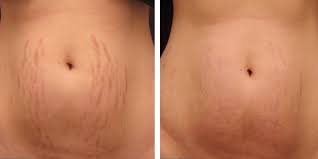
Stretch marks frequently appear after periods of rapid physical growth, pregnancy, or significant weight changes. Many individuals may look for reliable methods to diminish the appearance of these marks, restoring their skin’s natural texture. A variety of dermatological procedures exist to treat structural skin conditions, and microneedling has emerged as a preferred option for many patients. This technique offers a minimally invasive approach to skin rejuvenation.
What Is Microneedling?
Microneedling is a cosmetic dermatological procedure that is designed to improve various structural skin concerns. Practitioners use specialized devices equipped with fine needles to create precise, controlled micro-injuries in the skin. These tiny punctures penetrate the dermis, which is the deeper structural layer of the skin, without causing significant trauma to the surface layer, known as the epidermis.
The primary goal of creating these micro-injuries is to initiate the body’s natural wound-healing cascade. When the skin detects these minute punctures, it responds by releasing growth factors and activating fibroblasts. Fibroblasts are the specific cellular structures responsible for synthesizing new collagen and elastin fibers, which provide the skin with its overall strength and flexibility. Some treatments also incorporate platelet-rich plasma, a component of the patient’s own blood, to further support tissue regeneration.
Does It Address Stretch Marks?
Stretch marks represent areas where the skin’s structural fibers have broken down. Microneedling directly targets these affected areas and stimulates a targeted cellular response. The controlled micro-injuries force the body to rebuild the damaged tissue networks. The newly generated collagen and elastin gradually fill in the structural gaps of the stretch marks. This skin remodeling process helps to thicken the dermis and improve the elasticity of the affected areas. Over time, the newly formed tissue blends more seamlessly with the surrounding healthy skin.
What Are the Benefits?
One primary advantage of this procedure is its ability to stimulate skin rejuvenation while preserving the integrity of the surrounding healthy tissue. Because the surface of the skin remains largely intact, patients generally experience minimal downtime and a quicker recovery period. This is compared to more aggressive laser treatments or surgical interventions.
By actively promoting collagen production, the treatment helps to firm the skin and restore a more youthful appearance. The regeneration of the dermal layer enhances overall skin texture and tone, which may lead to a smoother and more even complexion. This makes it a versatile option for acne scars, wrinkles, and hyperpigmentation.
When practitioners combine the procedure with platelet-rich plasma, the approach utilizes natural components from the patient’s own body. The entire process provides an in-office solution that avoids the complexities of surgery or systemic medications. The durability of the results can last for several months to years.
Seek Professional Therapeutic Services
Achieving the best possible outcomes requires working with a trained and qualified practitioner. Discussing your current medications, past cosmetic procedures, and any known allergies allows the provider to determine if this therapy suits your specific needs and minimizes any associated risks. Adhering to the specific post-procedure care instructions provided by your practitioner will protect the newly treated skin, optimizing the final aesthetic results.
